A ceramic plunger can look perfectly smooth and still fail to fit its sleeve properly. For pump applications, checking the plunger diameter and sleeve bore separately is only part of the job. The two components also need to work together under the intended operating conditions.
At CERAMPRO, material preparation, grinding, honing and inspection all contribute to the final fit.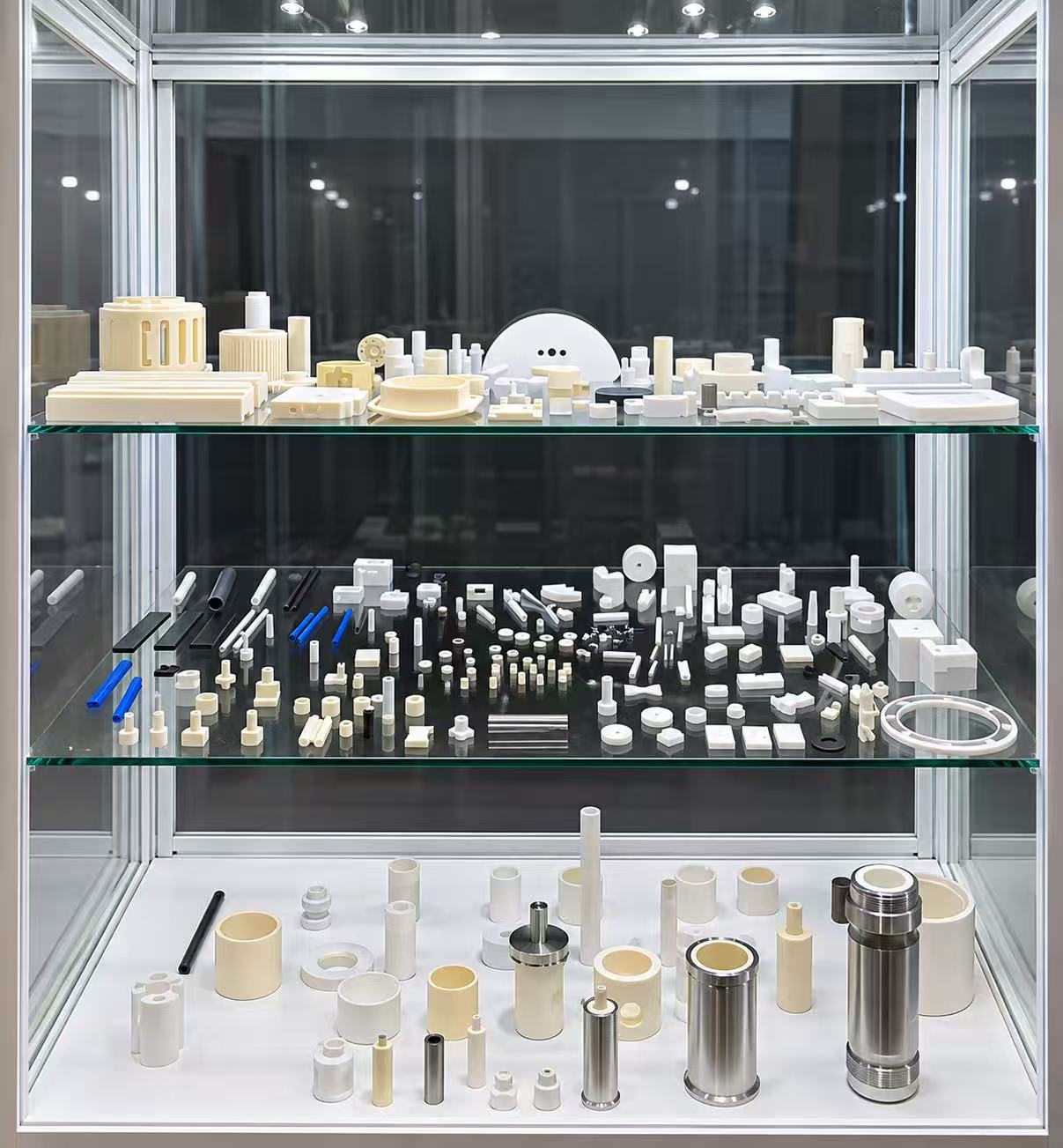
ZTA-96 is our internal designation for a zirconia-based composite ceramic material containing alumina and stabilizing constituents. It is not a universal material grade, and the name does not mean 96% alumina.
Before selecting a material, we review the pumped medium, working pressure, temperature and mechanical loads. Where necessary, our engineers can assess formulation or process adjustments, subject to validation for the application.
Depending on the project, production starts with powder selection, proportioning and mixing, followed by isostatic pressing and high-temperature sintering.
Sintering changes the dimensions of the formed body. The blank therefore needs enough allowance for subsequent grinding and finishing, particularly around the sleeve bore and plunger outside diameter.
We also keep a selection of sintered ceramic blanks in stock. When the material, dimensions and machining allowance suit a drawing, we can evaluate starting directly from an available blank. This may shorten preparation time by avoiding a new forming and sintering cycle. Special compositions or unusual dimensions may still require new blanks.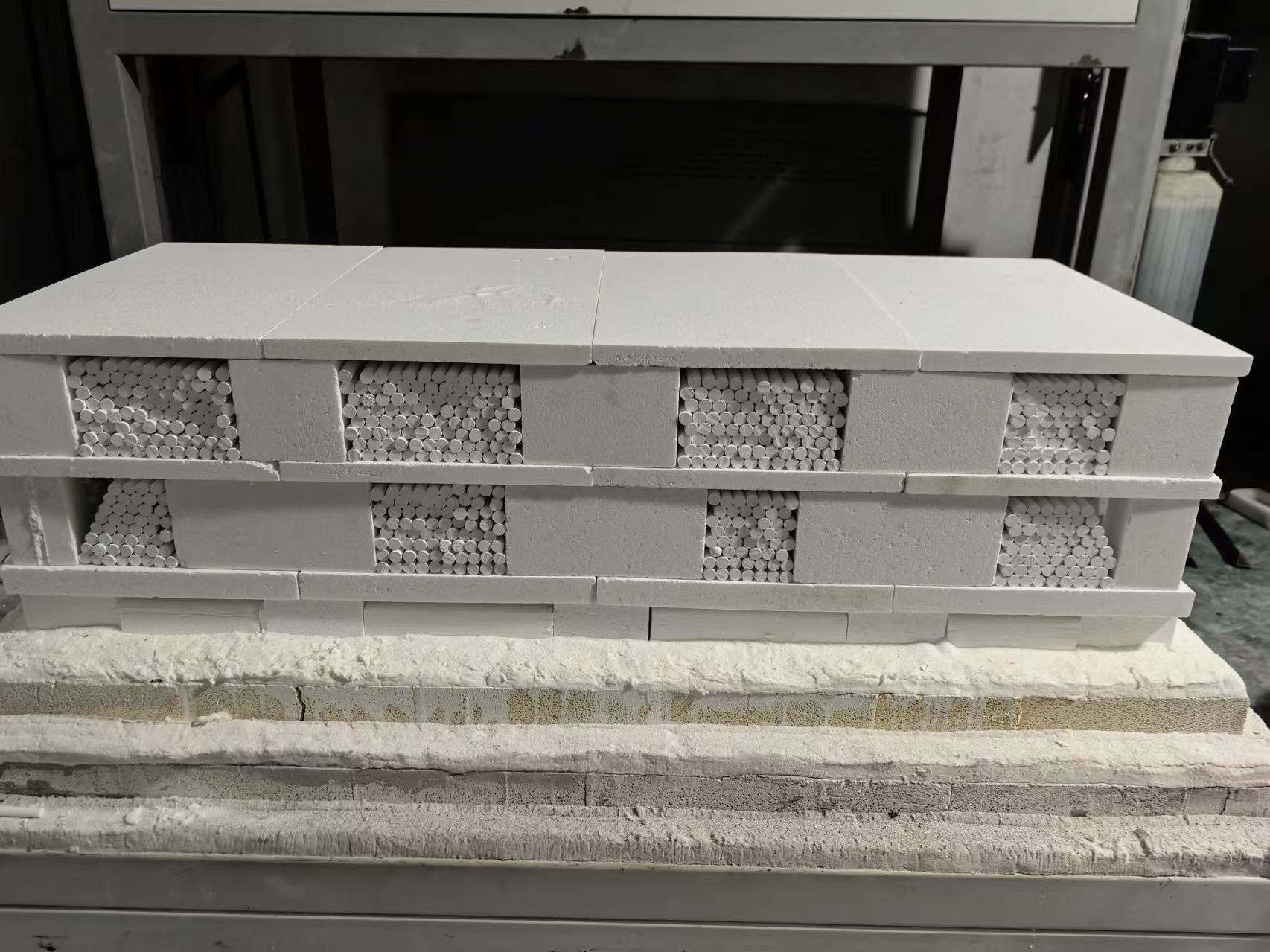
After sintering, the machining route may include external cylindrical rough grinding, sleeve internal grinding and precision external grinding. Stepped features or side holes are machined where required by the drawing, followed by polishing, deburring and cleaning as appropriate.
The sequence depends on the component geometry and inspection requirements. For closely fitted assemblies, machining must consider both parts rather than treating the plunger and sleeve as unrelated items.
Our ceramic pump components include custom plungers, pistons, sleeves and other parts manufactured to project requirements.
The sleeve bore deserves particular attention. During honing, the technician needs to consider the remaining allowance, how the ceramic responds to machining and the latest measurement results.
Our team includes machinists with more than ten years of practical experience. During the honing operation, technicians repeatedly check the bore with a pneumatic air gauge. These checks help guide adjustments while material is still being removed.
Honing refines the bore dimensions and surface condition, but the result still needs to be assessed against the drawing and agreed acceptance criteria.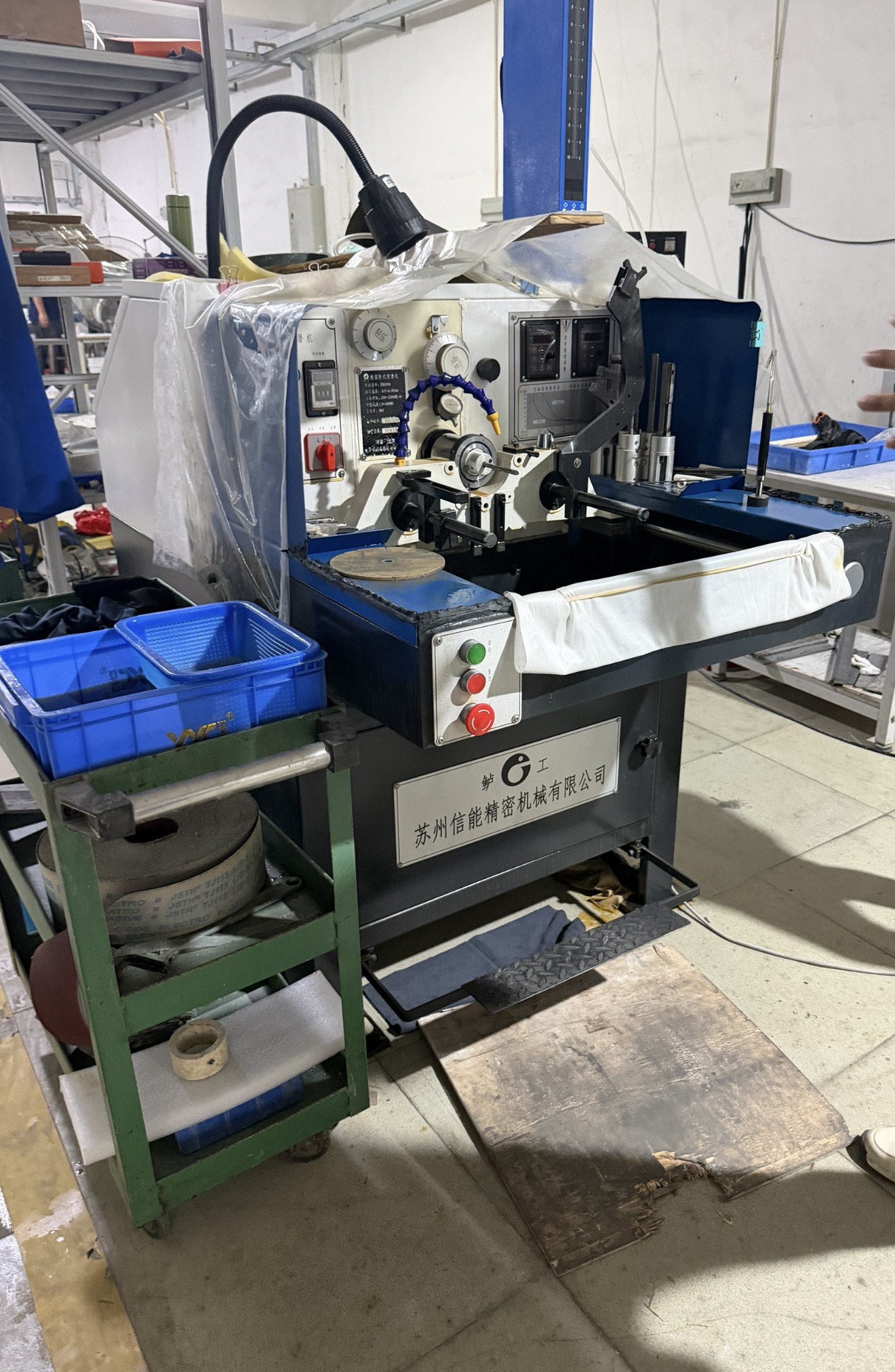
We measure plunger outside diameters using precision micrometers and check sleeve bores with air gauges. Roundness inspection is added where required.
For projects requiring matched assemblies, actual measured dimensions are recorded and suitable plungers and sleeves are paired individually.
One previous customer project specified a sleeve inside-diameter-to-plunger outside-diameter difference of no more than 0.002 mm. This was a project-specific requirement, not a standard tolerance guarantee for every ceramic part.
When ordering ceramic plungers and sleeves, it helps to specify the required fit, surface finish and inspection method alongside the individual dimensions.
A controlled descent check provides an additional observation of the paired components. Under a defined setup, the operator watches how the plunger moves through the sleeve.
For the relevant assembly, the desired movement is slow and smooth, without a sudden drop or obvious sticking. However, cleanliness, orientation, component weight, surface condition and the presence of fluid can all affect the result.
This observation supplements dimensional inspection. It does not establish a quantified leakage rate or replace a specified leakage test.
Is a smaller clearance always better?
No. The appropriate clearance depends on the material, temperature, medium and assembly design. It should be defined for the application.
Can you supply matched plunger-and-sleeve sets?
Yes. Where required, components can be measured and individually paired according to the agreed project specification.
Can stocked blanks shorten lead time?
They may, provided the available material, blank dimensions and machining allowance are suitable. We check stock against the drawing before confirming the production route.
What information is needed for a quotation?
Please provide drawings, quantity, material requirements, working pressure and temperature, pumped medium, critical tolerances, surface-finish requirements and inspection criteria.
A suitable fit depends on the complete manufacturing process—from material preparation and sintering to grinding, honing and measurement.
Send your drawings and operating conditions to CERAMPRO so we can review the material, machining route and matching requirements for your project.
Email: sales@cerampro.com
Tel/WhatsApp: +86 181 2384 0527